
Loading...

Loading...
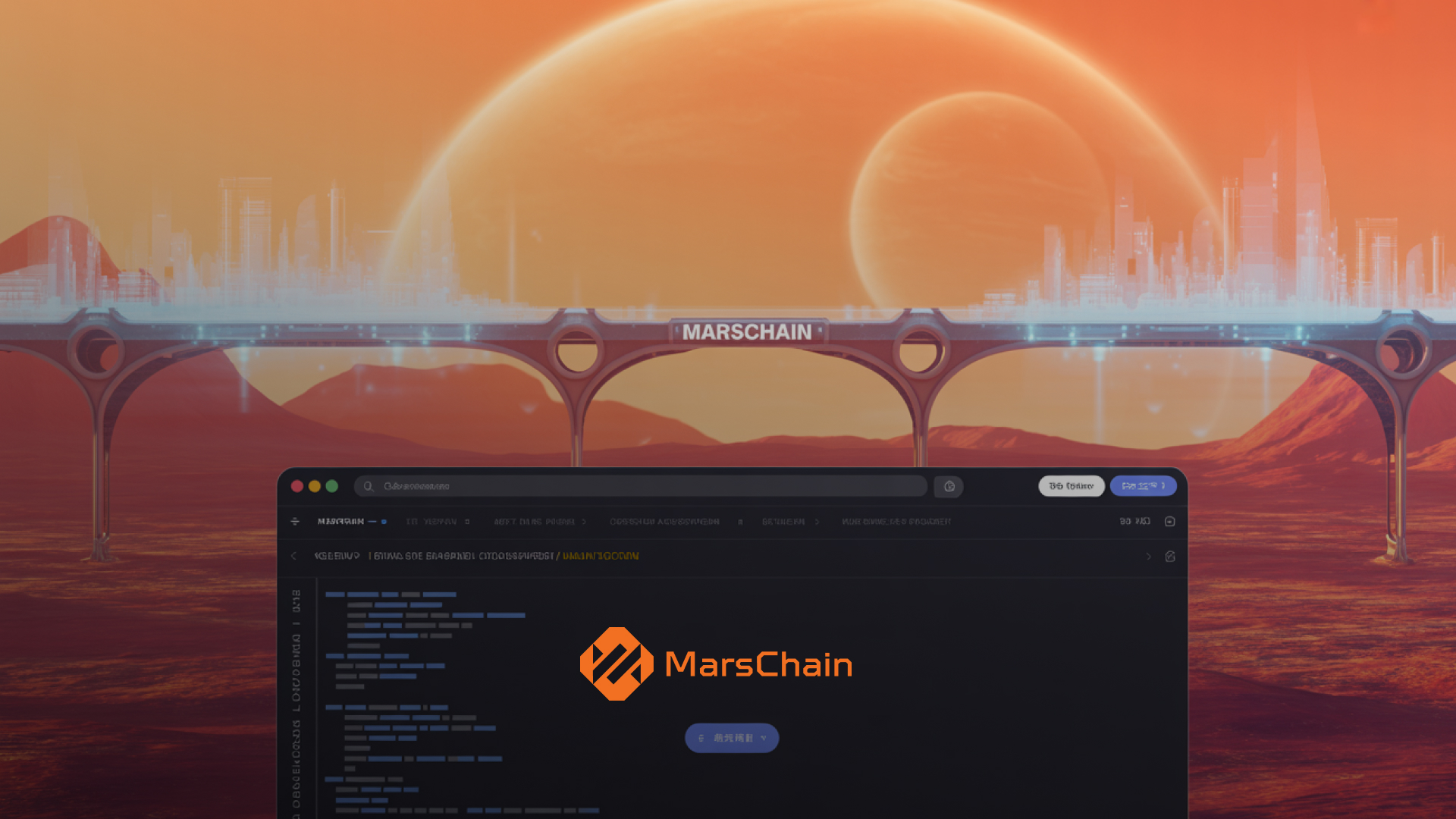 MarsChain Bridge & Explorer: Solving Metaverse Interop IssueAmid the accelerating integration of metaverse and blockchain technologies, the industry is facing unprecedented opportunities for transformation as well as deep-rooted challenges. On one hand, global metaverse user numbers surpassed 500 million in 2024, with virtual asset transaction volumes reaching $1.5 trillion and a 300% year-on-year surge in searches related to interstellar exploration, reflecting strong market demand for a "virtual-physical fusion" ecosystem. On the other hand, the limitations of traditional Layer 2 technologies are becoming increasingly apparent — there are barriers to asset flow between mainstream blockchains, cross-chain operations are cumbersome and costly, and the complexity of blockchain technology leads to a lack of transparency. Security incidents caused by smart contract vulnerabilities have resulted in significant losses, becoming a key factor hindering user trust.
Against this backdrop, the market urgently needs a solution that not only breaks through the bottleneck of cross-chain interoperability but also establishes a transparent technological foundation. MarsChain, a Layer 2 platform focused on the metaverse and Mars exploration, has keenly identified the industry's pain points and launched two core tools: the Cross-Chain Bridge and the MarsChain Explorer. These tools respond to market demands through technological innovation, representing not just an iteration of Layer 2 technology but a strategic move by MarsChain to build an interoperable and transparent metaverse ecosystem. Behind these tools lies a deep restructuring of the industry's development logic.
I. Addressing Industry Pain Points: The Inevitable Shift from "Single-Chain Islands" to "Multi-Chain Symbiosis"
1. Cross-Chain Interoperability: Breaking Down the "Data Berlin Wall" of the Metaverse Ecosystem
While current Layer 2 technologies alleviate mainnet performance pressures, insufficient interoperability between chains has become a new bottleneck. For instance, mainstream Layer 2 solutions like Optimism and Arbitrum do not allow direct asset flow between them, requiring users to manually perform cross-chain operations, which increases learning costs and scatters liquidity. This "island effect" directly hinders the development of the metaverse — users cannot transfer assets between different virtual worlds, developers must repeatedly develop multi-chain applications, and ecosystem collaboration efficiency remains low. According to third-party research, 58% of global metaverse users in 2024 expect cross-platform asset flow functionality, but the market lacks mature solutions.
MarsChain's Cross-Chain Bridge achieves asset interoperability with mainstream blockchains such as Ethereum and BNB Chain through proprietary protocols. Users can seamlessly use multi-chain assets like ETH and BTC on platforms like MetaMars, while developers can build cross-chain DApps using a single technical framework. For example, GameFi projects can enable two-way exchanges between ETH and MarsC through the Cross-Chain Bridge, allowing users to participate in multi-chain staking without complex operations.
2. Transparency Crisis: Rebuilding the Foundation of Trust for Users and Developers
The complexity of traditional blockchain tools makes it difficult for users to verify transaction authenticity, while developers face high debugging costs and challenges in identifying vulnerabilities. For instance, the 2021 Poly Network attack caused losses of hundreds of millions of dollars due to smart contract vulnerabilities, exposing the risks of technological black boxes. As the number of Web3 developers surpasses one million, the market urgently needs efficient full-chain monitoring tools, but existing solutions generally lack real-time data support.
The MarsChain Explorer builds a "transparent technological foundation" through real-time data visualization and smart contract auditing features. Users can independently query asset flows and verify the on-chain status of NFT ownership, while developers can use activity tracking features to increase debugging efficiency by over 60%. Test data shows that a high percentage of users verify transactions using the Explorer, with related complaints significantly reduced, demonstrating that enhanced transparency effectively strengthens ecosystem trust.
II. Market Positioning: Using Tool Innovation to Seize the Metaverse Infrastructure High Ground
1. Differentiated Competition: Opening a New "Virtual-Physical Fusion" Battlefield in a Red Ocean Market
The Layer 2 market is highly competitive, with Solana leading in performance with 65,000 TPS and Optimism/Arbitrum leveraging Ethereum's ecosystem to dominate traffic. MarsChain avoids direct competition in performance metrics, instead focusing on the vertical fields of the metaverse and Mars exploration. By building barriers with "cross-chain interoperability + scenario-based tools," the Cross-Chain Bridge and Explorer are deeply adapted to scenarios such as virtual asset trading and interstellar resource management. For example, MetaMars users can synchronize virtual land NFTs to Opensea for trading via the Cross-Chain Bridge, while developers can use the Explorer to monitor the cross-chain flow of Mars resource tokens. This "scenario customization" capability enables MarsChain to establish a technological moat in niche markets.
2. Ecosystem Collaboration: Upgrading from "Tool Provider" to "Ecosystem Organizer"
MarsChain's goal is not only to output technology but also to build a "decentralized ecosystem community." The Cross-Chain Bridge and Explorer serve as infrastructure to attract diverse participants and create synergistic effects:
●Developers: With MarsChain's efficient cross-chain protocol, developers can quickly deploy applications in multi-chain environments without repeatedly developing underlying cross-chain logic, significantly lowering the barrier to multi-chain development. Paired with the Explorer's smart contract state querying and activity tracking features, developers can monitor applications in cross-chain scenarios in real time, pinpoint code vulnerabilities, and optimize interaction logic, greatly improving development efficiency.
●Users: Through the "asset auto-routing" feature of the Cross-Chain Bridge, users can achieve cross-chain exchanges and staking of mainstream assets (e.g., ETH, BTC) and MarsC tokens without manual operations. Meanwhile, the Explorer's visual data dashboard enables users to track cross-chain transaction paths, staking income details, and NFT asset status in real time, allowing them to deeply participate in ecosystem governance and ensure transparency and trustworthiness in decision-making.
●Partners: MarsChain collaborates with metaverse and Web3 ecosystem partners to extend the Explorer's data monitoring capabilities to diverse scenarios. For instance, by leveraging blockchain technology to store ecosystem data on-chain, developers and users can retrieve and verify data integrity in real time via the Explorer, ensuring transparency and trustworthiness of on-chain information. Additionally, simulated data in virtual ecosystems (e.g., resource flows and scenario interactions) can be synchronized to other Web3 applications via the Cross-Chain Bridge, providing data support for ecosystem function optimization and resource allocation decisions, thereby promoting data collaboration and empowerment across different scenarios. Since the testnet phase, MarsChain has attracted nearly 50 metaverse projects intending to integrate, initially demonstrating the commercial value potential of ecosystem collaboration.
III. Future Outlook: The "Interstellar Ecosystem" Strategy Behind Tool Innovation
The launch of the Cross-Chain Bridge and Explorer marks a milestone in MarsChain's vision of "connecting the virtual world and the interstellar future." According to the project roadmap, these two tools will undergo functionality upgrades and ecosystem expansion around the metaverse track by 2025. The Cross-Chain Bridge will support real-world asset (RWA) on-chain integration, enabling the digital mapping of virtual certificates for Mars minerals and other physical resources. Additionally, MarsChain will explore technical collaborations with Web2 interstellar exploration scenarios to promote data interoperability and application integration between virtual ecosystems and the real world.
MarsChain's tool innovation fundamentally lays the "digital infrastructure" for the metaverse and interstellar exploration. The value of the Cross-Chain Bridge and Explorer extends beyond tools, serving as the starting point for MarsChain's evolution from a metaverse infrastructure provider to an "interstellar ecosystem builder." This represents a critical leap for blockchain technology from commercial applications to becoming the foundational infrastructure of a spacefaring civilization.
MarsChain Bridge & Explorer: Solving Metaverse Interop IssueAmid the accelerating integration of metaverse and blockchain technologies, the industry is facing unprecedented opportunities for transformation as well as deep-rooted challenges. On one hand, global metaverse user numbers surpassed 500 million in 2024, with virtual asset transaction volumes reaching $1.5 trillion and a 300% year-on-year surge in searches related to interstellar exploration, reflecting strong market demand for a "virtual-physical fusion" ecosystem. On the other hand, the limitations of traditional Layer 2 technologies are becoming increasingly apparent — there are barriers to asset flow between mainstream blockchains, cross-chain operations are cumbersome and costly, and the complexity of blockchain technology leads to a lack of transparency. Security incidents caused by smart contract vulnerabilities have resulted in significant losses, becoming a key factor hindering user trust.
Against this backdrop, the market urgently needs a solution that not only breaks through the bottleneck of cross-chain interoperability but also establishes a transparent technological foundation. MarsChain, a Layer 2 platform focused on the metaverse and Mars exploration, has keenly identified the industry's pain points and launched two core tools: the Cross-Chain Bridge and the MarsChain Explorer. These tools respond to market demands through technological innovation, representing not just an iteration of Layer 2 technology but a strategic move by MarsChain to build an interoperable and transparent metaverse ecosystem. Behind these tools lies a deep restructuring of the industry's development logic.
I. Addressing Industry Pain Points: The Inevitable Shift from "Single-Chain Islands" to "Multi-Chain Symbiosis"
1. Cross-Chain Interoperability: Breaking Down the "Data Berlin Wall" of the Metaverse Ecosystem
While current Layer 2 technologies alleviate mainnet performance pressures, insufficient interoperability between chains has become a new bottleneck. For instance, mainstream Layer 2 solutions like Optimism and Arbitrum do not allow direct asset flow between them, requiring users to manually perform cross-chain operations, which increases learning costs and scatters liquidity. This "island effect" directly hinders the development of the metaverse — users cannot transfer assets between different virtual worlds, developers must repeatedly develop multi-chain applications, and ecosystem collaboration efficiency remains low. According to third-party research, 58% of global metaverse users in 2024 expect cross-platform asset flow functionality, but the market lacks mature solutions.
MarsChain's Cross-Chain Bridge achieves asset interoperability with mainstream blockchains such as Ethereum and BNB Chain through proprietary protocols. Users can seamlessly use multi-chain assets like ETH and BTC on platforms like MetaMars, while developers can build cross-chain DApps using a single technical framework. For example, GameFi projects can enable two-way exchanges between ETH and MarsC through the Cross-Chain Bridge, allowing users to participate in multi-chain staking without complex operations.
2. Transparency Crisis: Rebuilding the Foundation of Trust for Users and Developers
The complexity of traditional blockchain tools makes it difficult for users to verify transaction authenticity, while developers face high debugging costs and challenges in identifying vulnerabilities. For instance, the 2021 Poly Network attack caused losses of hundreds of millions of dollars due to smart contract vulnerabilities, exposing the risks of technological black boxes. As the number of Web3 developers surpasses one million, the market urgently needs efficient full-chain monitoring tools, but existing solutions generally lack real-time data support.
The MarsChain Explorer builds a "transparent technological foundation" through real-time data visualization and smart contract auditing features. Users can independently query asset flows and verify the on-chain status of NFT ownership, while developers can use activity tracking features to increase debugging efficiency by over 60%. Test data shows that a high percentage of users verify transactions using the Explorer, with related complaints significantly reduced, demonstrating that enhanced transparency effectively strengthens ecosystem trust.
II. Market Positioning: Using Tool Innovation to Seize the Metaverse Infrastructure High Ground
1. Differentiated Competition: Opening a New "Virtual-Physical Fusion" Battlefield in a Red Ocean Market
The Layer 2 market is highly competitive, with Solana leading in performance with 65,000 TPS and Optimism/Arbitrum leveraging Ethereum's ecosystem to dominate traffic. MarsChain avoids direct competition in performance metrics, instead focusing on the vertical fields of the metaverse and Mars exploration. By building barriers with "cross-chain interoperability + scenario-based tools," the Cross-Chain Bridge and Explorer are deeply adapted to scenarios such as virtual asset trading and interstellar resource management. For example, MetaMars users can synchronize virtual land NFTs to Opensea for trading via the Cross-Chain Bridge, while developers can use the Explorer to monitor the cross-chain flow of Mars resource tokens. This "scenario customization" capability enables MarsChain to establish a technological moat in niche markets.
2. Ecosystem Collaboration: Upgrading from "Tool Provider" to "Ecosystem Organizer"
MarsChain's goal is not only to output technology but also to build a "decentralized ecosystem community." The Cross-Chain Bridge and Explorer serve as infrastructure to attract diverse participants and create synergistic effects:
●Developers: With MarsChain's efficient cross-chain protocol, developers can quickly deploy applications in multi-chain environments without repeatedly developing underlying cross-chain logic, significantly lowering the barrier to multi-chain development. Paired with the Explorer's smart contract state querying and activity tracking features, developers can monitor applications in cross-chain scenarios in real time, pinpoint code vulnerabilities, and optimize interaction logic, greatly improving development efficiency.
●Users: Through the "asset auto-routing" feature of the Cross-Chain Bridge, users can achieve cross-chain exchanges and staking of mainstream assets (e.g., ETH, BTC) and MarsC tokens without manual operations. Meanwhile, the Explorer's visual data dashboard enables users to track cross-chain transaction paths, staking income details, and NFT asset status in real time, allowing them to deeply participate in ecosystem governance and ensure transparency and trustworthiness in decision-making.
●Partners: MarsChain collaborates with metaverse and Web3 ecosystem partners to extend the Explorer's data monitoring capabilities to diverse scenarios. For instance, by leveraging blockchain technology to store ecosystem data on-chain, developers and users can retrieve and verify data integrity in real time via the Explorer, ensuring transparency and trustworthiness of on-chain information. Additionally, simulated data in virtual ecosystems (e.g., resource flows and scenario interactions) can be synchronized to other Web3 applications via the Cross-Chain Bridge, providing data support for ecosystem function optimization and resource allocation decisions, thereby promoting data collaboration and empowerment across different scenarios. Since the testnet phase, MarsChain has attracted nearly 50 metaverse projects intending to integrate, initially demonstrating the commercial value potential of ecosystem collaboration.
III. Future Outlook: The "Interstellar Ecosystem" Strategy Behind Tool Innovation
The launch of the Cross-Chain Bridge and Explorer marks a milestone in MarsChain's vision of "connecting the virtual world and the interstellar future." According to the project roadmap, these two tools will undergo functionality upgrades and ecosystem expansion around the metaverse track by 2025. The Cross-Chain Bridge will support real-world asset (RWA) on-chain integration, enabling the digital mapping of virtual certificates for Mars minerals and other physical resources. Additionally, MarsChain will explore technical collaborations with Web2 interstellar exploration scenarios to promote data interoperability and application integration between virtual ecosystems and the real world.
MarsChain's tool innovation fundamentally lays the "digital infrastructure" for the metaverse and interstellar exploration. The value of the Cross-Chain Bridge and Explorer extends beyond tools, serving as the starting point for MarsChain's evolution from a metaverse infrastructure provider to an "interstellar ecosystem builder." This represents a critical leap for blockchain technology from commercial applications to becoming the foundational infrastructure of a spacefaring civilization. 利用 Token Explorer 信号驾驭市场波动市场波动使加密货币投资组合面临风险,但是通过Token Explorer分析,我们可以对波动进行建模,提前预测市场风险,并找到最安全的投资策略。通过综合考虑 Token 价格、交易量、社交媒体信息和链上交易等各种数据,我们可以发现其中的规律,将随机性转化为明智的投资策略。
我们提供全天候的分析追踪,包括:
价格历史记录:计算过去 7 天到 90 天以上的价格回落、回调和波动情况。您还可以设置自定义预警,及时获取关键信息。
交易活动:检测所有与实时价格变动相关的信号,帮助您把握市场走势。
社交媒体声量:利用历史数据分析社交媒体信息的影响,帮助您预测市场波动。
凭借 Token Explorer 的智能分析,您可以执行基于波动的策略,例如:
根据交易流量信号制定支撑位和阻力位的进出策略,帮助您把握市场的买入和卖出时机。
当社交媒体声量与价格脱钩时,评估即将到来的波动,为您的投资决策提供参考。
通过分析市场的动量强度和波动率比例,帮助您判断市场处于哪个周期阶段。
在市场波动不断的情况下,基于数据驱动的理解比盲目猜测更为可靠。现在就安排一个 Token Explorer 的演示,让我们为您展示更多。
——————
Footprint Analytics 是一家区块链数据解决方案提供商。借助尖端的人工智能技术,我们提供 Crypto 领域首家支持无代码数据分析平台以及统一的数据 API,让用户可以快速检索超过 30 条公链生态的 NFT、Game 以及钱包地址资金流追踪数据。
产品亮点
面向开发人员的 Data API
用于GameFi项目的 Footprint Growth Analytics (FGA)
大数据批量下载功能 Batch download
Footprint 提供的所有数据集
利用 Token Explorer 信号驾驭市场波动市场波动使加密货币投资组合面临风险,但是通过Token Explorer分析,我们可以对波动进行建模,提前预测市场风险,并找到最安全的投资策略。通过综合考虑 Token 价格、交易量、社交媒体信息和链上交易等各种数据,我们可以发现其中的规律,将随机性转化为明智的投资策略。
我们提供全天候的分析追踪,包括:
价格历史记录:计算过去 7 天到 90 天以上的价格回落、回调和波动情况。您还可以设置自定义预警,及时获取关键信息。
交易活动:检测所有与实时价格变动相关的信号,帮助您把握市场走势。
社交媒体声量:利用历史数据分析社交媒体信息的影响,帮助您预测市场波动。
凭借 Token Explorer 的智能分析,您可以执行基于波动的策略,例如:
根据交易流量信号制定支撑位和阻力位的进出策略,帮助您把握市场的买入和卖出时机。
当社交媒体声量与价格脱钩时,评估即将到来的波动,为您的投资决策提供参考。
通过分析市场的动量强度和波动率比例,帮助您判断市场处于哪个周期阶段。
在市场波动不断的情况下,基于数据驱动的理解比盲目猜测更为可靠。现在就安排一个 Token Explorer 的演示,让我们为您展示更多。
——————
Footprint Analytics 是一家区块链数据解决方案提供商。借助尖端的人工智能技术,我们提供 Crypto 领域首家支持无代码数据分析平台以及统一的数据 API,让用户可以快速检索超过 30 条公链生态的 NFT、Game 以及钱包地址资金流追踪数据。
产品亮点
面向开发人员的 Data API
用于GameFi项目的 Footprint Growth Analytics (FGA)
大数据批量下载功能 Batch download
Footprint 提供的所有数据集 解锁加密货币增长的秘密:通过 Token Explorer 解读市场信号解读市场信号,就像医生通过观察患者的体征来判断健康状况一样,可以帮助我们评估加密货币的采用速度。
Token Explorer 这个工具,就像是我们医生的听诊器,它追踪了一些核心的采用指标:
● 市值:通过比较主流代币的90天市值变动,发现增长突增情况。
● 交易所净流量:通过测量中心化交易所的 90 天净流入量,推测个人投资者的兴趣程度。
● 活跃地址数量:分析 30 天的地址变化趋势,判断用户的留存水平。
借助这些采用指标,加密货币领导者可以执行基于数据的策略:
通过分析增长周期和历史数据,来决定最佳的上市时机。
将交易所的资金流入与历史的价格影响关联起来,找出最佳的上市时间。
关注活跃地址的变化趋势,来追踪市场的热度。
总的来说,Token Explorer 就像是一个医生的诊断工具,它通过解读区块链上的各种信号,帮助我们更准确地预测加密货币的增长趋势。如果你想更深入地了解这个工具如何帮助你做出更好的决策,欢迎立即预约演示会议。
解锁加密货币增长的秘密:通过 Token Explorer 解读市场信号解读市场信号,就像医生通过观察患者的体征来判断健康状况一样,可以帮助我们评估加密货币的采用速度。
Token Explorer 这个工具,就像是我们医生的听诊器,它追踪了一些核心的采用指标:
● 市值:通过比较主流代币的90天市值变动,发现增长突增情况。
● 交易所净流量:通过测量中心化交易所的 90 天净流入量,推测个人投资者的兴趣程度。
● 活跃地址数量:分析 30 天的地址变化趋势,判断用户的留存水平。
借助这些采用指标,加密货币领导者可以执行基于数据的策略:
通过分析增长周期和历史数据,来决定最佳的上市时机。
将交易所的资金流入与历史的价格影响关联起来,找出最佳的上市时间。
关注活跃地址的变化趋势,来追踪市场的热度。
总的来说,Token Explorer 就像是一个医生的诊断工具,它通过解读区块链上的各种信号,帮助我们更准确地预测加密货币的增长趋势。如果你想更深入地了解这个工具如何帮助你做出更好的决策,欢迎立即预约演示会议。 揭秘代币价值:Token Explorer 带您洞察市场,把握投资先机就像医生通过检查患者的化验结果和身体状况来评估其健康状况一样,Token Explorer 通过处理链上数据来提供客观见解,超越猜测,真正评估代币的价值。
Token Explorer 跟踪核心估值指标:
历史价格记录:查看7天、30天、60天、200天以上的市值动态,可配置不同时间段设置变动阈值的预警。
交易所净流动量: 提取(24小时、7天)期间来自前10名 CEX 的净交易数据。分析集中度及分布的趋势。
CEX 交易量细分:对不同生态系统和网络活动中的交易流量进行深入分析,以发现潜在的投资机会。
借助这种多维市场情报,分析师可以执行代币价值策略:
使用动量波动性分析,来识别新兴价格波动。
根据历史价格影响,模仿交易所鲸鱼的积累模式。
战略性加权特定垂直领域,领先于交易量流动。
Token Explorer 就像一个高级的磁共振成像(MRI)机器,将复杂的市场数据转化为易于理解的分析。它提供了深入的市场诊断,帮助投资者解读代币的真正价值。现在就进行一次定制分析吧!
揭秘代币价值:Token Explorer 带您洞察市场,把握投资先机就像医生通过检查患者的化验结果和身体状况来评估其健康状况一样,Token Explorer 通过处理链上数据来提供客观见解,超越猜测,真正评估代币的价值。
Token Explorer 跟踪核心估值指标:
历史价格记录:查看7天、30天、60天、200天以上的市值动态,可配置不同时间段设置变动阈值的预警。
交易所净流动量: 提取(24小时、7天)期间来自前10名 CEX 的净交易数据。分析集中度及分布的趋势。
CEX 交易量细分:对不同生态系统和网络活动中的交易流量进行深入分析,以发现潜在的投资机会。
借助这种多维市场情报,分析师可以执行代币价值策略:
使用动量波动性分析,来识别新兴价格波动。
根据历史价格影响,模仿交易所鲸鱼的积累模式。
战略性加权特定垂直领域,领先于交易量流动。
Token Explorer 就像一个高级的磁共振成像(MRI)机器,将复杂的市场数据转化为易于理解的分析。它提供了深入的市场诊断,帮助投资者解读代币的真正价值。现在就进行一次定制分析吧! 强化加密生态合规性:Token Explorer 助你一臂之力!随着加密市场监管的不断加强,项目的合规风险可能会在一夜之间威胁到其可行性。然而,通过智能的分析技术进行全面的代币审计,可以帮助我们及时发现问题,保护项目的声誉。
Token Explorer 提供智能的专业分析,让我们了解以下关键信息:
● 解锁计划:分析投资者的分布限制,包括集中解锁期、分期结构以及自定义期限内的自由流通情况。
● 持有权集中度:通过分析持有者的分布情况和量化钱包余额,及时发现中心化风险,并设置预警。
来源:USDT 持有者分析
● 分发透明度 :量化不同时间范围内的流通、锁定和稀释代币供应情况。
凭借这些深入洞察,我们合规团队可以采取预防性策略:
在待解锁日期临近时,模拟卖方解锁对市场的影响。
在不规范治理出现之前,及早发现集中风险的预警信号。
对锁定、解锁和流通部分进行全面的代币分发拆分,提供有效的监督信息。
在如今动荡的市场中,基于智能分析的合规性成为了我们的竞争优势。立即体验 Token Explorer,让我们的加密策略更具前瞻性!
强化加密生态合规性:Token Explorer 助你一臂之力!随着加密市场监管的不断加强,项目的合规风险可能会在一夜之间威胁到其可行性。然而,通过智能的分析技术进行全面的代币审计,可以帮助我们及时发现问题,保护项目的声誉。
Token Explorer 提供智能的专业分析,让我们了解以下关键信息:
● 解锁计划:分析投资者的分布限制,包括集中解锁期、分期结构以及自定义期限内的自由流通情况。
● 持有权集中度:通过分析持有者的分布情况和量化钱包余额,及时发现中心化风险,并设置预警。
来源:USDT 持有者分析
● 分发透明度 :量化不同时间范围内的流通、锁定和稀释代币供应情况。
凭借这些深入洞察,我们合规团队可以采取预防性策略:
在待解锁日期临近时,模拟卖方解锁对市场的影响。
在不规范治理出现之前,及早发现集中风险的预警信号。
对锁定、解锁和流通部分进行全面的代币分发拆分,提供有效的监督信息。
在如今动荡的市场中,基于智能分析的合规性成为了我们的竞争优势。立即体验 Token Explorer,让我们的加密策略更具前瞻性! 解锁加密经济领域的新篇章:Token Explorer 助您一臂之力随着全球加密货币的普及,市场变化对于想要优化回报的投资者来说是一个挑战。碎片化的数据是一个问题,但是像 Footprint Analytics 的 Token Explorer 这样的创新解决方案,可以提供必要的加密经济生态聚类智能,帮助改善投资组合。
Token Explorer 通过将代币分组,根据各种分类标准,包括类别、市场活动、风险维度和行为关系,使投资者能够采用精准的配置策略,这些策略以前只有量化对冲基金才能使用。
利用 Token Explorer 提供的关键代币聚类洞察,改善你的投资组合:
分层分类法:将代币按照不同的区块链领域、用途、机制和技术特点进行分类,提供更清晰的投资选择。
多时间线波动信号:分析日、周和月的波动模式,发现新兴风险或趋于稳定的情况。
代币间关联分析:计算不同时间范围内所有资产配对的相关系数,发现影响风险和回报的隐藏关系。
受到 Token Explorer 提供的强大加密货币聚类分析的启发,投资者可以采取以下投资组合优化策略:
关注今年表现最好的行业,但要注意超买信号。
降低风险,选择历史波动性较低的代币。
持有不同类型、互相关联度较低的加密货币,以提高对冲效果。
现在是利用数据驱动的加密货币投资新时代的机会。立即使用Token Explorer提升你的投资组合配置能力。
解锁加密经济领域的新篇章:Token Explorer 助您一臂之力随着全球加密货币的普及,市场变化对于想要优化回报的投资者来说是一个挑战。碎片化的数据是一个问题,但是像 Footprint Analytics 的 Token Explorer 这样的创新解决方案,可以提供必要的加密经济生态聚类智能,帮助改善投资组合。
Token Explorer 通过将代币分组,根据各种分类标准,包括类别、市场活动、风险维度和行为关系,使投资者能够采用精准的配置策略,这些策略以前只有量化对冲基金才能使用。
利用 Token Explorer 提供的关键代币聚类洞察,改善你的投资组合:
分层分类法:将代币按照不同的区块链领域、用途、机制和技术特点进行分类,提供更清晰的投资选择。
多时间线波动信号:分析日、周和月的波动模式,发现新兴风险或趋于稳定的情况。
代币间关联分析:计算不同时间范围内所有资产配对的相关系数,发现影响风险和回报的隐藏关系。
受到 Token Explorer 提供的强大加密货币聚类分析的启发,投资者可以采取以下投资组合优化策略:
关注今年表现最好的行业,但要注意超买信号。
降低风险,选择历史波动性较低的代币。
持有不同类型、互相关联度较低的加密货币,以提高对冲效果。
现在是利用数据驱动的加密货币投资新时代的机会。立即使用Token Explorer提升你的投资组合配置能力。Amid the accelerating integration of metaverse and blockchain technologies, the industry is facing unprecedented opportunities for transformation as well as deep-rooted challenges. On one hand, global metaverse user numbers surpassed 500 million in 2024, with virtual asset transaction volumes reaching $1.5 trillion and a 300% year-on-year surge in searches related to interstellar exploration, reflecting strong market demand for a "virtual-physical fusion" ecosystem. On the other hand, the limitations of traditional Layer 2 technologies are becoming increasingly apparent — there are barriers to asset flow between mainstream blockchains, cross-chain operations are cumbersome and costly, and the complexity of blockchain technology leads to a lack of transparency. Security incidents caused by smart contract vulnerabilities have resulted in significant losses, becoming a key factor hindering user trust. Against this backdrop, the market urgently needs a solution that not only breaks through the bottleneck of cross-chain interoperability but also establishes a transparent technological foundation. MarsChain, a Layer 2 platform focused on the metaverse and Mars exploration, has keenly identified the industry's pain points and launched two core tools: the Cross-Chain Bridge and the MarsChain Explorer. These tools respond to market demands through technological innovation, representing not just an iteration of Layer 2 technology but a strategic move by MarsChain to build an interoperable and transparent metaverse ecosystem. Behind these tools lies a deep restructuring of the industry's development logic. I. Addressing Industry Pain Points: The Inevitable Shift from "Single-Chain Islands" to "Multi-Chain Symbiosis" 1. Cross-Chain Interoperability: Breaking Down the "Data Berlin Wall" of the Metaverse Ecosystem While current Layer 2 technologies alleviate mainnet performance pressures, insufficient interoperability between chains has become a new bottleneck. For instance, mainstream Layer 2 solutions like Optimism and Arbitrum do not allow direct asset flow between them, requiring users to manually perform cross-chain operations, which increases learning costs and scatters liquidity. This "island effect" directly hinders the development of the metaverse — users cannot transfer assets between different virtual worlds, developers must repeatedly develop multi-chain applications, and ecosystem collaboration efficiency remains low. According to third-party research, 58% of global metaverse users in 2024 expect cross-platform asset flow functionality, but the market lacks mature solutions. MarsChain's Cross-Chain Bridge achieves asset interoperability with mainstream blockchains such as Ethereum and BNB Chain through proprietary protocols. Users can seamlessly use multi-chain assets like ETH and BTC on platforms like MetaMars, while developers can build cross-chain DApps using a single technical framework. For example, GameFi projects can enable two-way exchanges between ETH and MarsC through the Cross-Chain Bridge, allowing users to participate in multi-chain staking without complex operations. 2. Transparency Crisis: Rebuilding the Foundation of Trust for Users and Developers The complexity of traditional blockchain tools makes it difficult for users to verify transaction authenticity, while developers face high debugging costs and challenges in identifying vulnerabilities. For instance, the 2021 Poly Network attack caused losses of hundreds of millions of dollars due to smart contract vulnerabilities, exposing the risks of technological black boxes. As the number of Web3 developers surpasses one million, the market urgently needs efficient full-chain monitoring tools, but existing solutions generally lack real-time data support. The MarsChain Explorer builds a "transparent technological foundation" through real-time data visualization and smart contract auditing features. Users can independently query asset flows and verify the on-chain status of NFT ownership, while developers can use activity tracking features to increase debugging efficiency by over 60%. Test data shows that a high percentage of users verify transactions using the Explorer, with related complaints significantly reduced, demonstrating that enhanced transparency effectively strengthens ecosystem trust. II. Market Positioning: Using Tool Innovation to Seize the Metaverse Infrastructure High Ground 1. Differentiated Competition: Opening a New "Virtual-Physical Fusion" Battlefield in a Red Ocean Market The Layer 2 market is highly competitive, with Solana leading in performance with 65,000 TPS and Optimism/Arbitrum leveraging Ethereum's ecosystem to dominate traffic. MarsChain avoids direct competition in performance metrics, instead focusing on the vertical fields of the metaverse and Mars exploration. By building barriers with "cross-chain interoperability + scenario-based tools," the Cross-Chain Bridge and Explorer are deeply adapted to scenarios such as virtual asset trading and interstellar resource management. For example, MetaMars users can synchronize virtual land NFTs to Opensea for trading via the Cross-Chain Bridge, while developers can use the Explorer to monitor the cross-chain flow of Mars resource tokens. This "scenario customization" capability enables MarsChain to establish a technological moat in niche markets. 2. Ecosystem Collaboration: Upgrading from "Tool Provider" to "Ecosystem Organizer" MarsChain's goal is not only to output technology but also to build a "decentralized ecosystem community." The Cross-Chain Bridge and Explorer serve as infrastructure to attract diverse participants and create synergistic effects: ●Developers: With MarsChain's efficient cross-chain protocol, developers can quickly deploy applications in multi-chain environments without repeatedly developing underlying cross-chain logic, significantly lowering the barrier to multi-chain development. Paired with the Explorer's smart contract state querying and activity tracking features, developers can monitor applications in cross-chain scenarios in real time, pinpoint code vulnerabilities, and optimize interaction logic, greatly improving development efficiency. ●Users: Through the "asset auto-routing" feature of the Cross-Chain Bridge, users can achieve cross-chain exchanges and staking of mainstream assets (e.g., ETH, BTC) and MarsC tokens without manual operations. Meanwhile, the Explorer's visual data dashboard enables users to track cross-chain transaction paths, staking income details, and NFT asset status in real time, allowing them to deeply participate in ecosystem governance and ensure transparency and trustworthiness in decision-making. ●Partners: MarsChain collaborates with metaverse and Web3 ecosystem partners to extend the Explorer's data monitoring capabilities to diverse scenarios. For instance, by leveraging blockchain technology to store ecosystem data on-chain, developers and users can retrieve and verify data integrity in real time via the Explorer, ensuring transparency and trustworthiness of on-chain information. Additionally, simulated data in virtual ecosystems (e.g., resource flows and scenario interactions) can be synchronized to other Web3 applications via the Cross-Chain Bridge, providing data support for ecosystem function optimization and resource allocation decisions, thereby promoting data collaboration and empowerment across different scenarios. Since the testnet phase, MarsChain has attracted nearly 50 metaverse projects intending to integrate, initially demonstrating the commercial value potential of ecosystem collaboration. III. Future Outlook: The "Interstellar Ecosystem" Strategy Behind Tool Innovation The launch of the Cross-Chain Bridge and Explorer marks a milestone in MarsChain's vision of "connecting the virtual world and the interstellar future." According to the project roadmap, these two tools will undergo functionality upgrades and ecosystem expansion around the metaverse track by 2025. The Cross-Chain Bridge will support real-world asset (RWA) on-chain integration, enabling the digital mapping of virtual certificates for Mars minerals and other physical resources. Additionally, MarsChain will explore technical collaborations with Web2 interstellar exploration scenarios to promote data interoperability and application integration between virtual ecosystems and the real world. MarsChain's tool innovation fundamentally lays the "digital infrastructure" for the metaverse and interstellar exploration. The value of the Cross-Chain Bridge and Explorer extends beyond tools, serving as the starting point for MarsChain's evolution from a metaverse infrastructure provider to an "interstellar ecosystem builder." This represents a critical leap for blockchain technology from commercial applications to becoming the foundational infrastructure of a spacefaring civilization.