


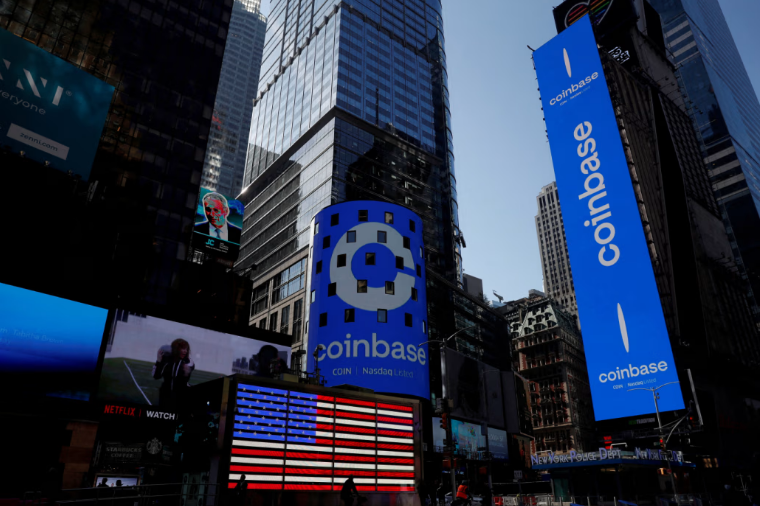
Coinbase launches official platform for retail investors to purchase new tokens pre-listing. In monthly token sales, investors can submit purchase requests over a week, with an algorithm ensuring fair allocation. Unlike the frenzied ICO era of 2017, this is a fully regulated 'token sale' framework.
The 2017-2018 ICO market was a 'gold rush in a regulatory gray area'. Projects issued coins without KYC or investor protections, leading many retail investors to buy tokens akin to unregistered securities. The result was massive losses and a collapse of trust. From those ashes, Coinbase now introduces a new model clad in institutional framework—a 'legitimate ICO'.
Institutionalized Public Offerings and Restoring Trust
Coinbase's new platform is significant in three key aspects. First, it mandates full real-name (KYC) participation. All purchasers must be verified Coinbase users—a qualitative departure from the anonymity and lack of accountability that plagued past token sales. This signals the application of institutional-grade standards in investor protection, AML, and securities regulation.
Second, an algorithmic system automates 'fair allocation'. By aggregating demand over a set period, it encourages broad, small-scale participation over speculative bulk buying. The design prioritizes 'fair access' over 'fast access', offering an alternative to the opaque 'friends and family allocations' seen in traditional IPOs.
Third, a behavior-based penalty model is implemented. Investors who immediately dump tokens after purchase face reduced allocations in future sales. This self-regulating mechanism curbs speculative short-term profit-seeking, effectively assigning a 'trust score' to investment behavior and ensuring project sustainability.
USDC: The New 'Reserve Currency' of Token Markets
The platform's exclusive use of Circle's USDC for payments is notable. As a partner benefiting from USDC circulation, Coinbase clearly aims to expand the economic ecosystem of its affiliated stablecoin through this system.
This means the token sale platform doesn't just fund projects; it structurally reinforces Coinbase's USDC-based payment and distribution network. This strategy implies that "Coinbase is designing the U.S. style token capital market."
The Prelude to a 'Token Securities Market'
Coinbase's move is more than a product launch; it's a signal flare for building a "legitimate capital market treating tokens as securities." It's a first attempt to institutionalize ICO chaos into a controllable 'public offering market' while integrating blockchain asset issuance and distribution into institutional-grade procedures.
This could likely lead to the full blossoming of the digital asset public offering and listing market in the U.S. If Coinbase sustains this structure in cooperation with regulators, investors will enter an era of buying tokens based on disclosures, not whitepapers.
Can Trust Be Reborn?
The token market has long been called a "gray area between innovation and fraud." Coinbase's attempt is the first experiment to clearly demarcate that boundary—shifting from 'unrestricted issuance' to 'responsible issuance', from 'speculative trading' to 'sustainable participation'.
Coinbase is evolving from an exchange into a public offering market manager for decentralized finance. And the anchor of this market might not be Bitcoin or the dollar, but USDC—a dollar coded with trust.
Regulatory-compliant token sales, algorithm-managed fair allocation, and a participation structure with penalties. The ghost of ICOs has returned. But this time, it's a law-abiding ghost.